Hey there! As a supplier of gas cylinders, I get asked a ton about handling those big guys – large gas cylinders. You know, these aren’t your average small canisters; they’re hefty and hold a lot of gas, so it’s super important to handle them right. In this blog, I’m gonna share some special handling instructions for large gas cylinders that you should definitely know about. Gas Cylinder

Understanding the Basics
First off, large gas cylinders come in different shapes and sizes, and they’re used for various purposes. Whether it’s for industrial use like welding, in hospitals for medical gases, or even in some big kitchens for cooking, these cylinders are everywhere. But with the benefits they bring, there are also risks if not treated properly.
Large gas cylinders are pressurized containers. That means there’s a whole lot of gas compressed inside, and if something goes wrong, it can be dangerous. That’s why the first step in handling them is understanding what kind of gas is in the cylinder. Different gases have different properties, and that affects how you should handle them.
For example, some gases are flammable, like propane or acetylene. These need to be kept away from open flames, sparks, and heat sources. If they catch fire, it can lead to an explosion. On the other hand, some gases are toxic or corrosive, like chlorine or ammonia. You gotta be extra careful not to inhale the fumes or let the gas come into contact with your skin or eyes.
Storage
Let’s talk about storage. When you’re storing large gas cylinders, you need to have a proper storage area. It should be well – ventilated to prevent the build – up of gas in case of a leak. You don’t want a room full of flammable gas just waiting to go up in flames.
The storage area should also be dry. Moisture can cause corrosion on the cylinder, which weakens the structure and can lead to leaks. And make sure the storage area is away from traffic areas. You don’t want people bumping into the cylinders or forklifts accidentally hitting them.
Cylinders should be stored upright. This helps to keep the pressure relief valve at the top, where it can do its job properly in case of over – pressurization. If a cylinder is stored on its side, especially for gases that are liquefied under pressure, it can cause the valve to get clogged with liquid, which is a big no – no.
Also, keep different types of gases separated. Flammable gases should be stored away from oxidizing gases. Oxidizing gases can support combustion, so if they mix with flammable gases, it’s a recipe for disaster.
Transportation
Transporting large gas cylinders is another tricky part. First of all, use a proper vehicle that’s designed for transporting these cylinders. It should have proper restraints to keep the cylinders in place during transit. You don’t want them rolling around and bumping into each other or the sides of the vehicle.
Before loading the cylinders onto the vehicle, make sure the valve caps are on. These caps protect the valves from damage during transportation. And don’t overload the vehicle. Follow the weight limits and the number of cylinders that the vehicle is rated to carry.
If you’re transporting multiple cylinders, make sure they’re secured so they can’t move or rub against each other. You can use dividers or strapping to keep them in place. And during the journey, check the cylinders periodically to make sure everything is still secure.
Handling during Use
When it comes to using large gas cylinders, there are a few things to keep in mind. First, always use the right equipment to connect the cylinder to whatever you’re using it for. For example, if you’re using a welding torch, make sure the hoses and fittings are compatible with the gas and the cylinder.
Before you start using the gas, check for any leaks. You can use a leak detector solution or a soapy water solution. Apply it to the connections, and if you see bubbles forming, there’s a leak. Don’t use the cylinder until you’ve fixed the leak.
When you’re opening the valve, do it slowly. A sudden release of gas can cause a lot of problems, like a sudden pressure change or even a backfire. And when you’re done using the gas, close the valve tightly.
Personal Protective Equipment (PPE)
Wearing the right personal protective equipment is crucial when handling large gas cylinders. Depending on the type of gas, you might need safety goggles to protect your eyes, gloves to protect your hands, and a respirator to protect your lungs.
For example, if you’re dealing with toxic gases, a proper respirator is a must. It filters out the harmful fumes and keeps you from inhaling them. Gloves can protect your hands from cold burns if you’re handling cryogenic gases or from chemical burns if you’re dealing with corrosive gases.
Training
Last but not least, proper training is essential for anyone who’s going to be handling large gas cylinders. Everyone should know the risks associated with the gases, the proper handling procedures, and what to do in case of an emergency.
Training should include things like how to store the cylinders, how to transport them, how to connect and disconnect the equipment, and how to use the PPE. It should also cover emergency response procedures, like what to do if there’s a fire, a leak, or an explosion.
Conclusion
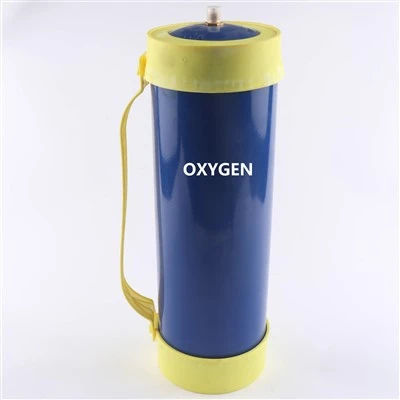
So, as you can see, there are definitely special handling instructions for large gas cylinders. From storage to transportation, use, and emergency response, every step is important. By following these instructions, you can ensure the safety of yourself, your employees, and everyone around you.
Helium If you’re in the market for high – quality gas cylinders, we’ve got you covered. We offer a wide range of large gas cylinders that meet the highest safety standards. Whether you need them for industrial, medical, or other purposes, we can help. If you’re interested in learning more or making a purchase, just reach out to us for a friendly chat and we can start discussing your needs.
References
- "Compressed Gas Association (CGA) Pamphlets": These provide comprehensive guidelines on the handling, storage, and use of gas cylinders.
- "Occupational Safety and Health Administration (OSHA) Standards": OSHA has set strict regulations regarding the safety of handling gas cylinders in the workplace.
Fortune Gas Co., Ltd.
With abundant experience, we are one of the most professional gas cylinder manufacturers and suppliers in China. We warmly welcome you to buy bulk high quality gas cylinder from our factory. If you have any enquiry about customized service, please feel free to email us.
Address: Building 3, No. 2 Chunchao Road, Yichun Economic and Technological Development Zone, Jiangxi Province
E-mail: Fortunegas_angela@163.com
WebSite: https://www.fortunegascn.com/
