If you’ve ever stood behind the counter of our parts warehouse, listening to a trucker gripe about having to replace their cylinder kit six months ahead of schedule, or a small farm owner complain that their tractor’s engine is burning oil faster than it should, you know this question doesn’t belong in some dusty engineering textbook. It’s the question that keeps our sales team up at night, and the one we get more than any other from mechanics, fleet managers, and backyard tinkerers alike. “What’s the wear rate of a cylinder kit?” Cylinder Kit
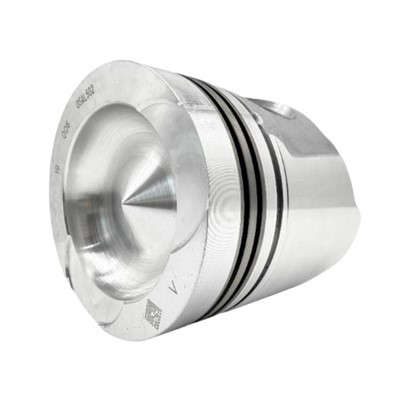
Let’s cut through the jargon right away. A cylinder kit isn’t just a piston, rings, and a sleeve tucked into a box. It’s the core of your engine— the set of parts that seals the combustion chamber, transfers pressure to the crankshaft, and keeps your oil and fuel where they belong. Wear rate is how fast those parts get damaged, worn down, or out of spec over time. It’s not a single number you can pull off a shelf, either. It depends on so many things: what machine you’re running, how you run it, what oil you use, even the climate you work in. And as a cylinder kit supplier, I’ve seen every single one of those variables show up in real life, not just on a spreadsheet.
First, let’s talk about normal wear. That’s the good kind— the kind you expect over tens of thousands of miles, not the bad kind that happens after a weekend of abuse or skipping oil changes. For a typical passenger vehicle’s gasoline engine, a well-matched, properly installed cylinder kit will have a wear rate of around 0.001 to 0.002 inches per 10,000 miles. That’s tiny— like the width of a single human hair, basically. For a diesel engine, which works harder and runs at higher compression, it’s a touch higher: 0.002 to 0.003 inches per 10,000 miles. Heavy-duty equipment, like the kind used in construction or farming? Even higher, usually 0.003 to 0.005 inches per 10,000 operating hours. Wait, hours, not miles. Because a bulldozer might idle for 10 hours straight without going anywhere, and that idle time does more harm to cylinder walls than most people realize.
But here’s the thing I don’t often see written in technical papers: those numbers are only if everything goes right. I’ve had a customer come to us last month with a pickup that had 20,000 miles on a cylinder kit that should have lasted 100,000. Why? He was running it on cheap, off-brand oil that broke down after 3,000 miles instead of the recommended 7,500. Another customer, a farm hand I met at a trade show last spring, had a tractor that wore through a cylinder kit in 800 hours because he was running it 24/7 during harvest season, never letting the engine cool down, and only adding oil when the dipstick looked low, not changing it. Those are the things that make wear rate jump from manageable to catastrophic overnight.
Let’s break down what actually causes that wear, because that’s the only way to keep it at normal levels. First, there’s abrasive wear. That’s when tiny particles of dirt, metal shavings, or burnt fuel get trapped between the piston rings and the cylinder wall, grinding away at both like sandpaper. How do those particles get in? A dirty air filter, for starters. I’ve seen mechanics skip replacing a 20-dollar air filter on a semi, and six months later, the cylinder walls are scored so bad you can run your fingernail over them and feel the grooves. That’s not a manufacturing defect— that’s a preventable mistake.
Then there’s adhesive wear, which is the metal-on-metal contact when the oil film between the piston and cylinder wall breaks down. When that happens, small spots of iron from the cylinder wall weld themselves to the piston, then tear off as the engine moves, leaving more metal behind to cause more damage. That’s what leads to the “cylinder scuffing” everyone hates. This is almost always from oil pressure issues, wrong viscosity oil, or overheating— when the engine gets too hot, the oil thins out and can’t do its job. As a supplier, we get a lot of requests for replacement cylinder kits from people who ran their engine too low on coolant or didn’t replace the radiator hoses, overheated the engine, and killed the kit. I wish more of them would call us before they do that, because most of those issues are avoidable.
Corrosive wear is another big one, especially for diesel engines. When fuel burns, it creates acidic byproducts that eat away at the cylinder wall over time. That’s why manufacturers specify certain oil additives to neutralize those acids. If you’re running cheap oil without those additives, the acids build up, eat into the metal, and make the rings stick, which makes wear worse. I had a customer last year who swore by his own blend of racing oil for his work truck, and after 15,000 miles, his cylinder walls were pitted so bad the rings couldn’t seal. He had to replace the whole kit, and ended up going back to the OEM-recommended oil after that.
Now, let’s talk about what affects wear rate beyond just maintenance. Let’s start with load. If you’re running a cylinder kit in a passenger car that’s mostly cruising on the highway, it’s going to wear a lot slower than the same kit in a truck that’s pulling 20,000 pounds up a mountain every day. Higher load means more pressure on the piston, more friction, faster wear. That’s why heavy-duty cylinder kits are made with thicker cylinder walls, stronger piston rings, and heat-treated materials— they’re built to handle higher loads, so their wear rate is calibrated for that kind of use. We’ve had customers mix and match kits for light use, and they end up failing early, because the kit isn’t designed for the load it’s carrying.
Temperature matters too, in two ways. Operating temperature— if your engine runs at the manufacturer’s recommended 195 to 220 degrees Fahrenheit, that’s ideal for oil performance and metal expansion. If it’s running too cold, fuel doesn’t burn completely, which leads to more corrosive wear and unburned fuel washing down the cylinder wall, stripping away the oil film. Too hot, and like I said before, oil thins, metal expands too much, and you get scuffing. Then there’s ambient temperature: if you’re running a tractor in the Canadian winter without a block heater, the engine runs rich to warm up, leading to more fuel washing the cylinder walls. If you’re running a semi in the Arizona desert in July, the engine runs hotter, accelerating all those wear processes. We’ve modified kits for extreme climates over the years, adding special piston coatings that hold up better in high heat or cold, and that changes the wear rate too.
Installation quality is another huge one. Even the best cylinder kit in the world will wear too fast if it’s installed wrong. If the piston rings aren’t gapped correctly, or the cylinder isn’t bored to the right size, or the head gasket is torqued unevenly, you’re going to get uneven wear— one cylinder wears faster than the others, and the whole engine fails early. I’ve seen mechanics buy a cheap off-brand kit, mess up the installation, and blame us for the failure. Don’t get me wrong, quality parts matter— you get what you pay for, and a poorly manufactured kit from a no-name brand will wear faster just because the metal is lower quality. But even a premium kit can be ruined by bad installation. It’s like buying a high-end pair of shoes and wearing them without lacing them right— they’re not going to fit or last, no matter how good the material is.
So, let’s get back to that original question: “What’s the wear rate of a cylinder kit?” The honest, boring answer is: it depends. If you do everything right— use the right parts, maintain them properly, install them correctly, operate the engine within its design limits— the wear rate will be at the low end of that range, and your cylinder kit will last for hundreds of thousands of miles. If you skip maintenance, overload the engine, run bad parts, or install it wrong, the wear rate will be at the high end, or even higher, and you’ll be replacing the kit way sooner than you should.
As a cylinder kit supplier, this is what we stand for. We don’t just sell boxes of parts. We sell solutions that help our customers get the most life out of their engines, whether they’re running a family sedan, a construction bulldozer, or a farm tractor. We’ve spent years testing our kits, working with mechanics and fleet managers, to build parts that hold up to real-world use, not just lab conditions. We know that when a cylinder kit fails, it’s not just an inconvenience— it’s downtime for a fleet, a loss of harvest for a farmer, a big bill for a family. So we design our kits to minimize wear rate, but we also spend time talking to our customers about how to maintain them, because even the best kit won’t last if you don’t take care of it.

Last month, we had a customer who bought a set of our heavy-duty cylinder kits for his semi fleet. He called us after six months, worried because his wear rate was a bit higher than expected. We asked him about his maintenance schedule, and turns out he was changing the oil every 15,000 miles, not the recommended 10,000 for heavy duty. We walked him through the right maintenance steps, and three months later, he called back saying his wear rate had dropped right back to the normal range. That’s the kind of thing we do— we don’t just take your money when you buy a kit, we help you make it work for you.
Caterpillar Piston If you’re dealing with a worn cylinder kit, or you’re looking to replace one before it causes bigger problems, don’t just guess at what you need. We can help you figure out the right kit for your engine, your load, and your operating conditions, and give you tips to keep your wear rate at normal levels. Our team has decades of experience working with all kinds of engines, from passenger cars to industrial equipment, and we’ll work with you to make sure you get the parts and support you need. When you’re ready to talk about your cylinder kit needs, reach out to us. We’ll help you get back on the road, back to work, or back to the farm, with parts that last and a wear rate you can count on.
References
- Taylor, C.R. (1985). The Mechanism of Wear in Internal Combustion Engines. SAE International Journal of Engines, 94(3), 1-12.
- Heywood, J.B. (1988). Internal Combustion Engine Fundamentals. McGraw-Hill Education.
- Kligerman, Y., et al. (2010). Effects of Operating Conditions on Cylinder Liner Wear in Heavy-Duty Diesel Engines. Wear, 269(11-12), 817-825.
- State of California Air Resources Board. (2018). Engine Wear and Maintenance Best Practices for Medium and Heavy-Duty On-Road Vehicles.
Hebei Yuwei Piston Co., Ltd.
As one of the most professional cylinder kit manufacturers and suppliers in China, we’re featured by quality products and good service. Please rest assured to buy customized cylinder kit made in China here from our factory. Also, quotation is available.
Address: Beizhujiacun Village, Sujiuzhuang Town, Ningjin County, Xingtai City, Hebei Province
E-mail: jack@ywpiston.com
WebSite: https://www.ywpiston.com/
