Yo, what’s up everyone! I’m a guy running a line boring business, and I’ve seen firsthand how crucial it is for line boring machine operators to be well – trained. In this blog, I’ll spill the beans on the training requirements for these operators. Line Boring
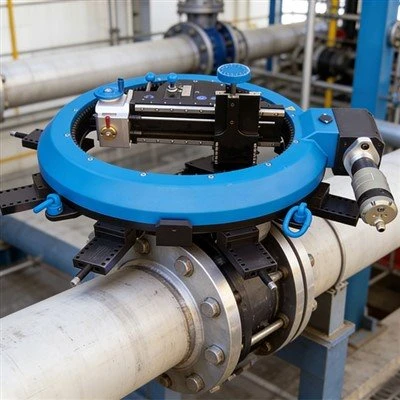
Basic Knowledge Training
First off, operators gotta have a solid understanding of basic mechanical principles. You know, stuff like how gears work, what torque is, and the deal with forces and motion. It’s like the ABCs of working with line boring machines. Without this basic knowledge, it’s gonna be like trying to drive a car without knowing how the engine works.
For example, understanding how gears transfer power is essential because line boring machines use gears in their drive mechanisms. If an operator doesn’t get how the gear ratio affects the speed and torque of the boring tool, they might end up using the wrong settings. This could lead to a botched job, like a hole that’s not the right size or has a rough finish.
Another key area is knowledge of materials. Operators need to know what kind of materials they’ll be boring into, like steel, aluminum, or cast iron. Different materials have different properties, such as hardness and brittleness. For instance, steel is harder than aluminum, so you’ll need to use a different cutting speed and feed rate when boring into steel compared to aluminum. If an operator doesn’t adjust the machine settings according to the material, they could damage the cutting tool or ruin the workpiece.
Machine – Specific Training
Once the operators have the basic knowledge down, it’s time to focus on the line boring machines themselves. They need to learn how to operate the controls. Every line boring machine has its own set of controls, and it’s important for the operators to be familiar with them. This includes things like the control panel for adjusting the speed, feed rate, and depth of the boring tool.
They also need to know how to set up the machine properly. This involves mounting the machine on the workpiece, aligning it correctly, and making sure all the components are secure. A misaligned machine can result in inaccurate bores, which can be a huge headache, especially when you’re working on high – precision parts.
Maintenance is another big part of machine – specific training. Operators should know how to perform regular maintenance tasks like cleaning the machine, lubricating the moving parts, and checking for any signs of wear or damage. For example, if the bearings in the machine aren’t lubricated properly, they can wear out quickly, leading to machine breakdowns and costly repairs.
Safety Training
Safety is non – negotiable in the line boring business. Operators need to be trained on safety procedures from the get – go. First of all, they should know how to use personal protective equipment (PPE). This includes things like safety glasses to protect their eyes from flying debris, earplugs to reduce noise exposure, and gloves to protect their hands.
They also need to understand the potential hazards associated with line boring machines. For example, the rotating boring tool can cause serious injuries if you’re not careful. So, operators need to know how to keep a safe distance from the tool and how to stop the machine in case of an emergency.
Fire safety is another aspect. Some line boring operations involve the use of cutting fluids, which can be flammable. Operators should know how to handle these fluids safely and how to prevent fires. They should also be familiar with the location of fire extinguishers and how to use them.
Precision and Quality Control Training
In the world of line boring, precision is everything. Operators need to be trained on how to measure and ensure the accuracy of the bores they create. They should know how to use measuring tools like micrometers, calipers, and bore gauges. These tools allow them to check the diameter, roundness, and surface finish of the bores.
Quality control training also includes understanding the specifications of the job. They need to be able to read engineering drawings and understand the tolerances that are required. For example, if a drawing specifies a bore diameter of 50 mm with a tolerance of ± 0.05 mm, the operator needs to make sure the bore they create falls within that range. If they don’t meet the specifications, the part might not fit properly into the larger assembly, which can lead to performance issues or even product failures.
Practical Experience
All the theoretical training in the world won’t make a great operator if they don’t have practical experience. On – the – job training is crucial. New operators should start by assisting more experienced operators. They can learn a lot by watching how the pros set up the machine, operate it, and troubleshoot problems.
As they gain more confidence, they can start taking on small jobs on their own. But they should still have a more experienced operator nearby to provide guidance and feedback. This hands – on experience is what really hones their skills and makes them proficient line boring machine operators.
Certification and Continuing Education
Getting certified as a line boring machine operator can be a big plus. There are various certification programs available, and they usually involve passing a written exam and a practical test. Having a certification shows that an operator has met a certain standard of knowledge and skill, which can make them more attractive to employers.
Continuing education is also important. The line boring industry is constantly evolving, with new technologies and techniques being developed all the time. Operators should stay up – to – date with these changes by attending workshops, seminars, and training courses. This can help them improve their skills and stay competitive in the job market.
Why Choose Our Line Boring Equipment
Now, if you’re in the market for line boring equipment, you should consider working with us. We’ve been in the business for a long time, and we know what it takes to make high – quality machines. Our line boring machines are easy to operate, which means less training time for your operators. They also come with comprehensive training materials and support.
We offer on – site training for your operators, so you don’t have to worry about sending them off to a training facility. Our experienced technicians will come to your place and teach your operators everything they need to know about our machines, from basic operation to advanced troubleshooting.
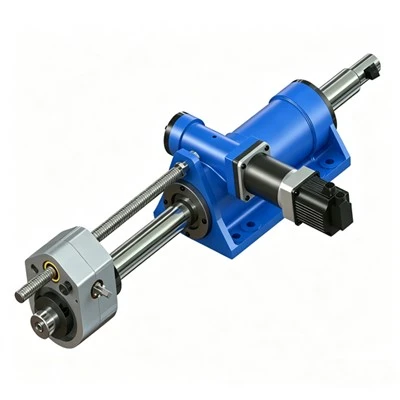
In addition, our machines are built to last. They’re made from high – quality materials and are designed to withstand the rigors of daily use. This means less downtime for maintenance and repairs, which can save you a lot of money in the long run.
Facing Head If you’re interested in our line boring equipment or want to learn more about our training services, don’t hesitate to reach out. We’re here to help you get the most out of your line boring operations.
References
- "Machine Tool Operation Handbook"
- "Safety Guidelines for Industrial Machinery"
- "Precision Measurement in Manufacturing"
Shangqiu JDA Machinery Technology Co., Ltd.
With abundant experience, we are one of the most professional line boring manufacturers and suppliers in China. We warmly welcome you to buy cheap line boring for sale here from our factory. Quality products and reasonable price are available.
Address: No. 55 Pingyuan Middle Road, Liangyuan District, Shangqiu, Henan, China
E-mail: sales@jdamachines.com
WebSite: https://www.jdamachines.com/
