Electrical requirements are a critical aspect when it comes to the operation of a vertical machining center. As a supplier of vertical machining centers, I understand the importance of getting these requirements right to ensure optimal performance, safety, and longevity of the equipment. In this blog, I will delve into the various electrical requirements for a vertical machining center. Vertical Machining Center

Power Supply
The first and most fundamental electrical requirement is the power supply. Vertical machining centers typically require a three – phase power supply. This is because three – phase power provides a more constant and efficient flow of energy compared to single – phase power. The standard voltage levels for three – phase power supplies used in vertical machining centers can vary depending on the region and the specific model of the machine. In many industrialized countries, common voltage levels are 208V, 220V, 380V, 400V, or 480V.
It is crucial to ensure that the power supply voltage matches the requirements of the vertical machining center. A mismatch in voltage can lead to several problems. If the voltage is too low, the machine may not operate at its full capacity, resulting in slower machining speeds, reduced precision, and even potential damage to the electrical components over time. On the other hand, if the voltage is too high, it can cause overheating of the electrical circuits, which may lead to short – circuits, component failures, and pose a significant safety hazard.
In addition to the voltage, the frequency of the power supply is also important. In most parts of the world, the standard frequency for industrial power supplies is 50Hz or 60Hz. The vertical machining center must be compatible with the frequency of the local power grid. Using a machine designed for a different frequency can cause issues such as abnormal motor operation, inaccurate speed control, and damage to the electrical drives.
Electrical Panel and Control System
The electrical panel of a vertical machining center houses all the major electrical components that control the machine’s operation. It includes circuit breakers, contactors, relays, and programmable logic controllers (PLCs). The circuit breakers are designed to protect the electrical circuits from over – current conditions. They automatically trip when the current exceeds a certain limit, preventing damage to the electrical components and reducing the risk of fire.
Contactors and relays are used to control the flow of electrical power to different parts of the machine. They act as switches, allowing the PLC to turn on or off various motors, pumps, and other electrical devices as required during the machining process. The PLC is the brain of the control system. It is programmed to execute specific machining operations, control the movement of the axes, and monitor the status of the machine.
The electrical panel must be properly designed and installed to ensure reliable operation. It should have adequate ventilation to prevent overheating of the components. The wiring inside the panel should be neatly arranged and labeled to facilitate maintenance and troubleshooting. Additionally, the panel should be protected from dust, moisture, and other environmental contaminants to prevent electrical failures.
Motor Requirements
Vertical machining centers have several motors that play different roles. The main spindle motor is responsible for rotating the cutting tool at high speeds. This motor typically requires a high – power electrical supply to achieve the necessary cutting speeds and torques. The power rating of the main spindle motor can range from a few kilowatts to several tens of kilowatts depending on the size and capabilities of the machining center.
The servo motors are used to control the movement of the linear axes (X, Y, and Z axes) of the machine. These motors must be able to provide precise and accurate positioning to ensure high – precision machining. Servo motors are usually driven by servo amplifiers, which convert the control signals from the PLC into electrical power for the motors. The servo amplifiers must be properly sized to match the requirements of the servo motors.
Proper motor control is essential for the overall performance of the vertical machining center. The motors should be able to start and stop smoothly, accelerate and decelerate at the appropriate rates, and maintain a constant speed during the machining process. Any issues with the motor control can lead to poor surface finish, inaccurate dimensions, and reduced productivity.
Safety Electrical Features
Safety is of utmost importance in any industrial environment, and vertical machining centers are no exception. There are several electrical safety features that are typically incorporated into these machines.
Emergency stop buttons are located at easily accessible positions on the machine. When pressed, these buttons immediately cut off the power supply to all the motors and electrical components, bringing the machine to a halt. This is a critical safety feature in case of an emergency situation, such as a tool breakage or a personnel injury.
Grounding is another important safety measure. All electrical components of the vertical machining center must be properly grounded to prevent electrical shock. The grounding system provides a low – resistance path for electrical current in case of a short – circuit, directing the current safely to the ground.
Over – temperature protection devices are installed in critical electrical components such as motors, transformers, and servo amplifiers. These devices monitor the temperature of the components and automatically shut off the power if the temperature exceeds a safe limit. This helps prevent damage to the components due to overheating and reduces the risk of fire.
Supplementary Electrical Equipment
Apart from the main electrical components mentioned above, there may be some supplementary electrical equipment required for a vertical machining center. For example, a coolant system is often used to cool the cutting tool and the workpiece during the machining process. The coolant pump is an electrical device that needs to be powered.
The lighting system inside the machining area is also an important part of the electrical requirements. Adequate lighting is necessary for the operator to monitor the machining process and ensure accurate operation. Additionally, some vertical machining centers may be equipped with automatic tool changers, which are also electrically operated.
Maintenance and Monitoring
Regular maintenance of the electrical system of a vertical machining center is essential to ensure its long – term reliability. This includes checking the electrical connections for tightness, inspecting the insulation of the wires for any signs of damage, and testing the functionality of the safety devices.
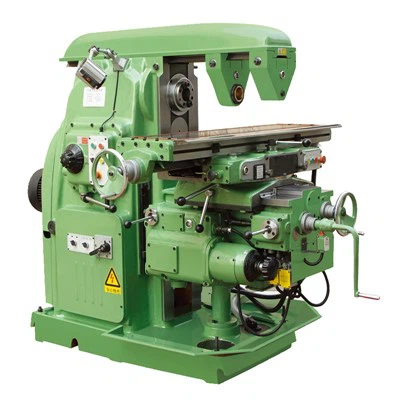
Monitoring the electrical parameters of the machine can also provide valuable information about its condition. For example, monitoring the current consumption of the motors can help detect any abnormal load conditions, which may indicate mechanical problems such as a binding axis or a worn – out bearing. Voltage fluctuations can also be monitored to ensure the stability of the power supply.
Surface Grinding Machine In conclusion, the electrical requirements for a vertical machining center are complex and multi – faceted. From the power supply and electrical panel to the motors and safety features, every aspect needs to be carefully considered and maintained. As a supplier of vertical machining centers, we are committed to providing machines that meet the highest electrical standards. If you are in the market for a vertical machining center, or if you have any questions about the electrical requirements or other aspects of our products, we encourage you to reach out to us for a detailed discussion and to explore potential purchasing opportunities.
References
- “Machining Center Handbook” – A comprehensive guide on the operation and technical specifications of machining centers.
- “Electrical Engineering for Industrial Machinery” – Provides in – depth knowledge of electrical systems used in industrial equipment including machining centers.
- Industry standards and regulations related to the electrical safety and performance of vertical machining centers.
Henan Rowdai Machinery Equipment Co., Ltd.
As one of the most professional vertical machining center manufacturers in China, we’re featured by quality products and good price. Please rest assured to buy high-grade vertical machining center for sale here from our factory. If you have any enquiry about cooperation, please feel free to email us.
Address: Building 9, E-Commerce Industrial Park, High-Tech Zone, Zhengzhou, Henan, China
E-mail: rowdai@rowdai.com
WebSite: https://www.rowdai.com/
