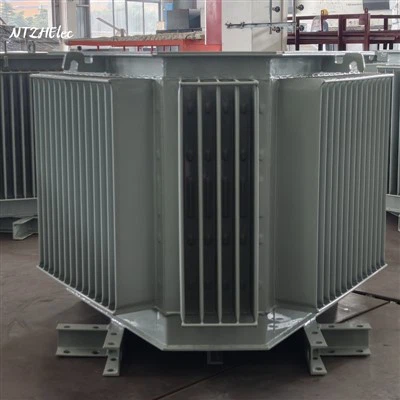
Hey there! As a supplier of Pad Mounted Transformer Oil Tanks, I’ve seen firsthand how important it is to prevent corrosion. Corrosion can seriously damage these tanks, leading to leaks, reduced efficiency, and even safety hazards. So, in this blog, I’m going to share some of the best corrosion prevention measures we use and recommend. Pad Mounted Transformer Oil Tank
Understanding the Enemy – What Causes Corrosion in Pad Mounted Transformer Oil Tanks?
Before we jump into the prevention methods, it’s crucial to understand what causes corrosion in the first place. There are a few main culprits here.
First off, moisture is a big problem. When water gets into the oil tank, it can react with the metal, causing rust. This can happen through condensation inside the tank, especially if there are temperature fluctuations. Also, if the tank is exposed to rain or high humidity environments, water can seep in through small cracks or gaps in the seals.
Another factor is the presence of chemicals. The oil inside the transformer contains certain additives, and over time, these can break down and form corrosive substances. Additionally, if the tank is in an area with industrial pollution or acid rain, these external chemicals can speed up the corrosion process.
Lastly, the metal itself matters. If the tank is made of low – quality metal or if the metal has structural defects, it will be more prone to corrosion.
Coating and Painting – A First Line of Defense
One of the simplest and most effective ways to prevent corrosion is by applying a good quality coating or paint to the tank. A high – quality paint acts as a barrier between the metal and the outside environment, preventing moisture and chemicals from reaching the metal surface.
We usually recommend using epoxy – based paints. These paints are known for their durability and resistance to chemicals. They can withstand harsh weather conditions, including high humidity and UV rays. When applying the paint, it’s essential to do a proper surface preparation first. This means cleaning the tank thoroughly to remove any dirt, grease, or rust. We use sandblasting in most cases to achieve a clean and rough surface, which helps the paint adhere better.
After the surface is ready, we apply multiple coats of paint. Each coat should be allowed to dry completely before applying the next one. This ensures a thick and even protective layer. We’ve found that this method can significantly extend the lifespan of the oil tank, reducing the need for frequent repairs.
Cathodic Protection – The Science of Saving Metal
Cathodic protection is another powerful technique for preventing corrosion. It works on the principle of electrochemistry. Corrosion is an electrochemical process where the metal loses electrons. With cathodic protection, we introduce a sacrificial anode or an impressed current to the tank.
A sacrificial anode is a piece of metal that is more reactive than the tank metal. Commonly, we use zinc or magnesium anodes. These anodes will corrode instead of the tank, sacrificing themselves to protect the valuable oil tank. We attach the sacrificial anode to the tank, and over time, as it corrodes, we simply replace it.
The impressed current method involves using an external power source to apply a direct current to the tank. This current counteracts the natural corrosion current, preventing the metal from corroding. This method is more complex and requires regular monitoring, but it can be very effective, especially in large – scale applications or in highly corrosive environments.
Regular Maintenance and Inspection – Catching Corrosion Early
No matter how good the prevention methods are, regular maintenance and inspection are vital. We recommend conducting visual inspections at least once a year. During these inspections, we look for any signs of corrosion, such as rust spots, flaking paint, or changes in the metal’s appearance.
We also check the integrity of the coating. If there are any chips or scratches in the paint, water and chemicals can penetrate and start the corrosion process. If we find any damage to the coating, we repair it immediately.
In addition to visual inspections, we also perform some non – destructive testing methods. Ultrasonic testing, for example, can be used to detect internal corrosion or thickness changes in the tank walls. This helps us identify any hidden problems before they become serious.
Proper Installation and Environmental Considerations
The way the Pad Mounted Transformer Oil Tank is installed also plays a role in corrosion prevention. We always make sure that the tank is installed on a level surface and that it has proper drainage. Standing water around the tank can increase the risk of corrosion.
We also consider the environment where the tank will be placed. If it’s in an area with high pollution or near the coast (where the air is salty), we take extra precautions. We might use a thicker coating or more advanced cathodic protection methods.
Monitoring and Data Collection
In the modern world, technology can be a great ally in corrosion prevention. We use sensors to monitor the conditions inside and outside the oil tank. These sensors can measure factors like temperature, humidity, and the chemical composition of the oil.
By collecting this data over time, we can analyze trends and predict when corrosion might start to become a problem. For example, if the humidity inside the tank is consistently high, we can take steps to reduce it, such as improving ventilation or using dehumidifiers.
Conclusion and Call to Action
To sum it up, preventing corrosion in Pad Mounted Transformer Oil Tanks is a multi – faceted approach. By using coatings, cathodic protection, regular maintenance, and taking environmental and installation factors into account, we can significantly reduce the risk of corrosion and keep these tanks in good working condition for a long time.
Pole Mounted Transformer Oil Tank If you’re in the market for a Pad Mounted Transformer Oil Tank or if you need help with corrosion prevention for your existing tanks, I’d love to have a chat. We have a wealth of experience in this field and can provide you with the best solutions tailored to your needs. Don’t hesitate to reach out for more information and let’s start a conversation about your requirements.
References
- Jones, D. A. (1996). Principles and Prevention of Corrosion. Prentice Hall.
- Fontana, M. G. (1987). Corrosion Engineering. McGraw – Hill.
Nantong Zhihe Electric Co., Ltd.
As one of the most professional pad mounted transformer oil tank manufacturers and suppliers in China, we’re featured by quality products and low price. Please rest assured to wholesale cheap pad mounted transformer oil tank made in China here from our factory. Customized orders are welcome.
Address: NO.202 Jianghai West Road, Hai’an Town, Hai’an City, Jiangsu Province
E-mail: colt.ntzh@gmail.com
WebSite: https://www.ntzhelectric.com/
