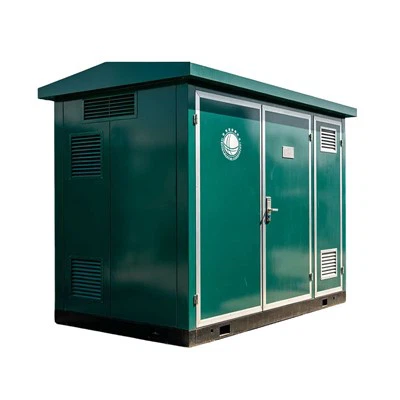
In the realm of power distribution, box type substations play a pivotal role in ensuring a stable and efficient supply of electricity. As a seasoned supplier of box type substations, I understand the critical importance of metering accuracy within these units. Accurate metering not only facilitates proper billing and energy management but also helps in maintaining the overall reliability and safety of the electrical system. In this blog, I will share some key insights on how to ensure the accuracy of metering in a box type substation. Box Type Substation
Understanding the Basics of Metering in Box Type Substations
Before delving into the methods of ensuring metering accuracy, it is essential to have a clear understanding of the basic components and principles of metering in box type substations. A typical box type substation consists of a transformer, switchgear, and metering equipment. The metering equipment is responsible for measuring various electrical parameters such as voltage, current, power, and energy consumption.
The most common types of metering devices used in box type substations are energy meters and power meters. Energy meters measure the total amount of electrical energy consumed over a specific period, while power meters measure the instantaneous power flow in the electrical circuit. These meters are usually connected to the electrical system through current transformers (CTs) and voltage transformers (VTs), which step down the high current and voltage levels to a level that can be safely measured by the meters.
Factors Affecting Metering Accuracy
Several factors can affect the accuracy of metering in a box type substation. Understanding these factors is crucial for implementing effective measures to ensure accurate metering.
1. Equipment Quality
The quality of the metering equipment itself is one of the most important factors affecting metering accuracy. Low – quality meters may have inherent inaccuracies due to poor manufacturing processes or the use of substandard components. It is essential to source metering equipment from reputable manufacturers who adhere to strict quality control standards. For example, meters that are certified to international standards such as IEC 62053 can provide a higher level of accuracy and reliability.
2. Installation and Wiring
Proper installation and wiring of the metering equipment are also critical for accurate metering. Incorrect installation, such as improper connection of the CTs and VTs, can lead to measurement errors. The CTs and VTs should be installed in accordance with the manufacturer’s specifications, and the wiring should be properly sized and insulated to minimize resistance and interference. Additionally, the meters should be installed in a location that is free from excessive vibration, temperature variations, and electromagnetic interference.
3. Environmental Conditions
Environmental conditions can have a significant impact on the accuracy of metering. High temperatures, humidity, and dust can affect the performance of the metering equipment. For instance, extreme temperatures can cause the components of the meters to expand or contract, leading to changes in their electrical characteristics. It is important to ensure that the box type substation is properly ventilated and protected from the elements to maintain a stable operating environment for the metering equipment.
4. Load Characteristics
The characteristics of the electrical load connected to the box type substation can also affect metering accuracy. Non – linear loads, such as those containing electronic devices and variable – speed drives, can introduce harmonics into the electrical system. These harmonics can distort the voltage and current waveforms, leading to measurement errors in the meters. In such cases, it may be necessary to use meters that are capable of measuring harmonic content and compensating for the effects of harmonics.
Ensuring Metering Accuracy: Best Practices
1. Selecting High – Quality Metering Equipment
As mentioned earlier, the quality of the metering equipment is crucial for accurate metering. When selecting meters for a box type substation, it is important to consider the following factors:
- Accuracy Class: Choose meters with a high accuracy class, such as 0.2S or 0.5S for energy meters. The accuracy class indicates the maximum allowable error of the meter under specified conditions.
- Functionality: Select meters that have the necessary features for the specific application. For example, if the substation supplies a large number of non – linear loads, choose meters that can measure harmonics and provide detailed energy analysis.
- Compatibility: Ensure that the meters are compatible with the CTs and VTs used in the substation. The meters should be able to accurately measure the current and voltage levels provided by the transformers.
2. Proper Installation and Commissioning
Proper installation and commissioning of the metering equipment are essential for accurate metering. Here are some key steps to follow:
- Installation Planning: Before installation, carefully plan the layout of the metering equipment to ensure easy access for maintenance and testing. The meters should be installed in a location that is well – lit and free from obstructions.
- Wiring and Connection: Follow the manufacturer’s wiring diagrams and specifications when connecting the meters to the CTs, VTs, and the electrical system. Use high – quality cables and connectors to minimize resistance and ensure a secure connection.
- Commissioning Tests: After installation, perform comprehensive commissioning tests on the metering equipment. These tests should include accuracy checks, insulation resistance tests, and functionality tests. Any discrepancies or errors should be corrected before the substation is put into operation.
3. Regular Maintenance and Calibration
Regular maintenance and calibration of the metering equipment are necessary to ensure long – term accuracy. Here are some maintenance and calibration practices:
- Visual Inspection: Conduct regular visual inspections of the metering equipment to check for signs of damage, wear, or loose connections. Any damaged or worn components should be replaced immediately.
- Cleaning: Keep the metering equipment clean to prevent the accumulation of dust and dirt, which can affect its performance. Use a soft, dry cloth to clean the meters and other components.
- Calibration: Schedule regular calibration of the metering equipment in accordance with the manufacturer’s recommendations or relevant industry standards. Calibration should be performed by a qualified technician using calibrated test equipment.
4. Monitoring and Data Analysis
Continuous monitoring of the metering data can help in detecting any potential issues with metering accuracy. Analyze the metering data regularly to identify trends, anomalies, or deviations from normal operating conditions. For example, sudden changes in energy consumption or power factor may indicate a problem with the metering equipment or the electrical system. By promptly addressing these issues, you can ensure the continued accuracy of metering in the box type substation.
Conclusion

Accurate metering in a box type substation is essential for proper energy management, billing, and the overall reliability of the electrical system. As a box type substation supplier, I am committed to providing high – quality products and solutions that ensure accurate metering. By following the best practices outlined in this blog, including selecting high – quality equipment, proper installation and commissioning, regular maintenance and calibration, and continuous monitoring and data analysis, you can significantly enhance the accuracy of metering in your box type substation.
Box Type Substation If you are in the market for a box type substation or need assistance with ensuring metering accuracy, I encourage you to reach out to me for a detailed discussion. I am here to provide you with the expertise and support you need to make the right decisions for your electrical infrastructure.
References
- International Electrotechnical Commission (IEC). (2013). IEC 62053 – Accuracy classes for electricity meters.
- Institute of Electrical and Electronics Engineers (IEEE). (2012). IEEE Std 1459 – 2010, Standard Definitions for the Measurement of Electric Power Quantities Under Sinusoidal, Nonsinusoidal, Balanced, or Unbalanced Conditions.
Jiangxi Yihong Electric Power Technology Co., Ltd.
As one of the most experienced box type substation manufacturers and suppliers in China, we also support customized service. We warmly welcome you to buy high quality box type substation from our factory. If you have any enquiry about pricelist, please feel free to email us.
Address: Chating Industrial Park, Guangxin District, Shangrao City, Jiangxi Province
E-mail: 15779933057@163.com
WebSite: https://www.yihcn.com/
