In the modern world, the demand for cleanroom environments has been steadily increasing across various industries, including pharmaceuticals, electronics, and food processing. Cleanroom sandwich panels play a pivotal role in creating and maintaining these controlled environments. However, as the global focus on environmental sustainability intensifies, a crucial question arises: Are cleanroom sandwich panels environmentally friendly? As a supplier of cleanroom sandwich panels, I’d like to delve into this topic and share some insights. Cleanroom Sandwich Panels
Understanding Cleanroom Sandwich Panels
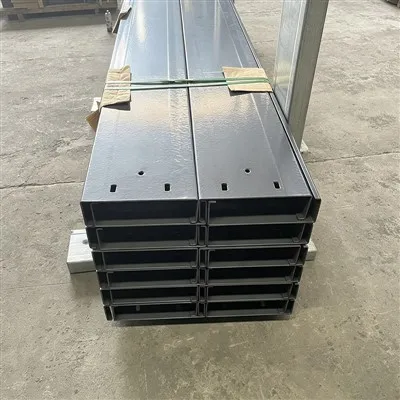
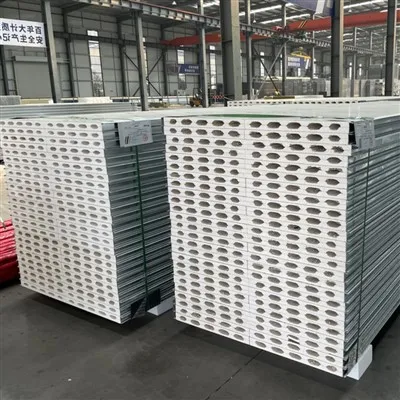
Before we discuss their environmental impact, let’s first understand what cleanroom sandwich panels are. These panels typically consist of two outer layers, often made of materials like steel, aluminum, or fiberglass, with a core material in between. The core can be made from a variety of substances, such as polyurethane foam, polystyrene, or mineral wool. The combination of these materials provides the panels with excellent insulation, fire resistance, and structural strength, making them ideal for cleanroom applications.
Raw Materials and Their Environmental Impact
The environmental friendliness of cleanroom sandwich panels starts with the raw materials used in their production.
Outer Layers
Steel and aluminum are commonly used for the outer layers of cleanroom sandwich panels. Steel is one of the most recycled materials in the world. According to the World Steel Association, the global average recycling rate of steel is around 85 – 90%. This high recycling rate significantly reduces the need for virgin iron ore extraction, conserving natural resources and reducing energy consumption during production. Aluminum also has a high recycling potential. Recycling aluminum requires only about 5% of the energy needed to produce new aluminum from bauxite ore. This makes steel – and aluminum – clad cleanroom sandwich panels a relatively sustainable choice in terms of raw material use.
However, the production of these metals still has an environmental footprint. The mining of iron ore and bauxite can cause habitat destruction, soil erosion, and water pollution. Additionally, the high – temperature processes used in steel and aluminum smelting consume large amounts of energy, often derived from non – renewable sources.
Core Materials
The choice of core material has a significant impact on the panel’s environmental profile.
Polyurethane foam (PU) is a popular core material due to its excellent insulation properties. However, the production of PU involves the use of isocyanates, which can be harmful to human health and the environment if not properly handled. Emissions of volatile organic compounds (VOCs) during the manufacturing and installation of PU – core panels can contribute to air pollution and have a negative impact on indoor air quality.
Polystyrene (PS) is another common core material. Expanded polystyrene (EPS) and extruded polystyrene (XPS) are known for their lightweight and insulation capabilities. But PS is a petroleum – based polymer, and its production relies on non – renewable fossil fuels. Moreover, PS is not easily biodegradable, and if not recycled, it can persist in the environment for hundreds of years.
On the other hand, mineral wool, made from rock or slag, is considered a more environmentally friendly core material. It is a natural and abundant resource. Mineral wool has a low carbon footprint during production, and it is non – combustible, which enhances the fire safety of the cleanroom. Additionally, it can be recycled at the end of its life.
Energy Efficiency and Environmental Benefits
One of the main advantages of cleanroom sandwich panels is their high energy efficiency. The excellent insulation properties of these panels help to reduce the energy consumption required to maintain the desired temperature and humidity levels in cleanrooms.
In a cleanroom, precise environmental control is crucial. Heating, ventilation, and air – conditioning (HVAC) systems are constantly working to meet these requirements. By using well – insulated sandwich panels, less energy is needed to heat or cool the cleanroom space. According to research by the U.S. Department of Energy, proper insulation can reduce HVAC energy consumption by up to 20 – 30%.
Lower energy consumption not only translates into cost savings for the end – user but also has a positive environmental impact. Reduced energy use means less reliance on fossil – fuel – based power generation, which in turn decreases greenhouse gas emissions. Over the long – term operation of a cleanroom, the energy – saving benefits of sandwich panels can significantly contribute to reducing the overall environmental footprint of the facility.
End – of – Life Considerations
The environmental friendliness of cleanroom sandwich panels also depends on what happens at the end of their useful life.
As mentioned earlier, steel and aluminum outer layers can be easily recycled. When the panels reach the end of their service life, these metals can be re – melted and used in the production of new products. This closed – loop recycling process helps to conserve natural resources and reduce waste.
Core materials vary in their recyclability. Mineral wool can be recycled into new insulation products or other construction materials. However, recycling polyurethane and polystyrene cores is more challenging. Specialized recycling processes are often required, and the infrastructure for recycling these materials is not as widespread as that for metals. In many cases, non – recyclable core materials end up in landfills, contributing to waste accumulation.
Our Efforts as a Supplier
As a cleanroom sandwich panel supplier, we are acutely aware of the environmental concerns associated with our products. We are committed to taking steps to improve the environmental friendliness of our offerings.
Firstly, we are constantly researching and sourcing sustainable raw materials. We are increasing our use of recycled steel and aluminum in the production of outer panels, and we are exploring more environmentally friendly core materials such as bio – based foams and advanced mineral wool composites.
Secondly, we focus on optimizing our manufacturing processes to reduce energy consumption and emissions. We have invested in energy – efficient equipment and technologies, and we are implementing strict environmental management systems to ensure compliance with environmental regulations.
Finally, we are working to improve the end – of – life management of our panels. We are collaborating with recycling partners to develop better recycling solutions for our products, especially for the core materials. We also provide guidance to our customers on proper disposal and recycling methods for our panels at the end of their useful life.
Conclusion
In conclusion, the question of whether cleanroom sandwich panels are environmentally friendly is complex. While there are aspects of their production and use that have a negative environmental impact, such as the extraction of raw materials and the disposal of non – recyclable components, there are also significant environmental benefits. The high energy efficiency of these panels can lead to substantial energy savings and reduced greenhouse gas emissions over the life of a cleanroom facility.
Moreover, as a supplier, we are taking proactive steps to reduce the environmental footprint of our products. We believe that by making continuous improvements in raw material sourcing, manufacturing processes, and end – of – life management, we can make cleanroom sandwich panels an even more environmentally friendly choice.
Powder Coated Anti Corrosive Purlins If you are looking for high – quality and environmentally conscious cleanroom sandwich panels, we are here to help. We can provide you with detailed information about our products and how they can meet your specific cleanroom requirements while also contributing to a more sustainable future. Contact us today to start a discussion about your procurement needs and explore the possibilities of working together.
References
- World Steel Association. (2023). Steel Recycling.
- U.S. Department of Energy. (2023). Energy Efficiency in Buildings.
Handan Donghong Fiberglass & Color Steel Manufacturing Co., Ltd.
Handan Donghong Fiberglass & Color Steel Manufacturing Co., Ltd. is one of the most professional cleanroom sandwich panels manufacturers and suppliers in China, featured by quality products and good price. Please rest assured to wholesale durable cleanroom sandwich panels made in China here and get quotation from our factory. Customized orders are welcome.
Address: South side of the road, 2,000 meters west of the intersection of Nanhuan Road and Airport Road, Hanshan District, Handan City.
E-mail: leo@dhpcfrp.com
WebSite: https://www.dhfrpsheet.com/
