When it comes to the world of LED lighting, the relationship between constant voltage LED drivers and LEDs is crucial. As a supplier of constant voltage LED drivers, I’ve witnessed firsthand the importance of compatibility in ensuring optimal performance, longevity, and energy efficiency of LED lighting systems. In this blog, I’ll delve into the various compatibility issues that can arise between constant voltage LED drivers and LEDs, and why it’s essential to address them properly. Constant Voltage LED Drivers

Understanding Constant Voltage LED Drivers and LEDs
Before we explore the compatibility issues, let’s briefly understand what constant voltage LED drivers and LEDs are. A constant voltage LED driver is an electronic device that converts the incoming AC power into a stable DC voltage output. This output voltage remains constant regardless of the current draw, providing a reliable power source for LEDs.
On the other hand, LEDs (Light Emitting Diodes) are semiconductor devices that emit light when an electric current passes through them. They are highly efficient, long – lasting, and come in a wide range of colors and luminous intensities. LEDs require a specific voltage and current to operate correctly, and any deviation from these requirements can lead to performance issues.
Voltage Compatibility
One of the most fundamental compatibility issues is voltage matching. LEDs are designed to operate within a specific voltage range. If the output voltage of the constant voltage LED driver is too high, it can cause the LEDs to draw excessive current, leading to overheating, reduced lifespan, and even permanent damage. For example, if an LED is rated for 12V and is connected to a driver outputting 24V, the LED will likely burn out quickly.
Conversely, if the output voltage is too low, the LEDs may not reach their full brightness potential. They might flicker or emit a dim, inconsistent light. In some cases, LEDs might not even turn on at all if the voltage is significantly below their operating range. As a supplier, I always emphasize the importance of carefully selecting a constant voltage LED driver with an output voltage that precisely matches the requirements of the LEDs. This ensures that the LEDs operate at their intended brightness and efficiency levels.
Current Limitation
While constant voltage LED drivers maintain a stable output voltage, they do not inherently limit the current drawn by the LEDs. LEDs have a specific forward current rating, which is the amount of current they can safely handle. If the LEDs are connected to a constant voltage driver without proper current – limiting measures, they can draw more current than they are rated for.
This over – current situation can cause several problems. The LEDs will generate more heat than normal, which not only shortens their lifespan but also affects the color consistency of the light output. Over time, the excessive heat can cause the LED chips to degrade, leading to a significant reduction in brightness. To address this issue, external current – limiting resistors can be used in series with the LEDs. However, this approach has its drawbacks, such as energy losses in the resistors, which reduce the overall efficiency of the lighting system.
Some advanced constant voltage LED drivers come with built – in current – limiting features. These drivers can sense the current drawn by the LEDs and adjust the power supply accordingly to keep the current within the safe operating range. As a supplier, I recommend these types of drivers to ensure the long – term reliability of the LED lighting system.
Dimming Compatibility
Dimming is a popular feature in LED lighting systems, allowing users to adjust the brightness of the lights according to their needs. However, achieving proper dimming compatibility between constant voltage LED drivers and LEDs can be challenging.
There are different dimming methods, such as PWM (Pulse Width Modulation) dimming and analog dimming. PWM dimming works by rapidly turning the power to the LEDs on and off at a high frequency, while analog dimming adjusts the voltage supplied to the LEDs. Not all constant voltage LED drivers are compatible with all types of dimming methods, and not all LEDs can be dimmed effectively.
If the driver and LEDs are not compatible with the chosen dimming method, several issues can occur. For example, with PWM dimming, if the frequency is too low, the LEDs may flicker, which can be annoying and even cause eye strain. In the case of analog dimming, if the driver does not support a wide enough voltage range for dimming, the LEDs may not dim smoothly or may not reach the desired low – brightness levels.
Moreover, some LEDs may have a minimum current requirement to maintain a stable light output. If the dimming process reduces the current below this minimum level, the LEDs may flicker or turn off completely. As a supplier, I work closely with customers to understand their dimming requirements and recommend the most suitable constant voltage LED drivers and LEDs to ensure seamless dimming performance.
Thermal Compatibility
Heat is a major factor in the performance and longevity of both constant voltage LED drivers and LEDs. LEDs generate heat during operation, and if this heat is not dissipated properly, it can lead to increased junction temperatures, which in turn reduce the efficiency and lifespan of the LEDs.
Constant voltage LED drivers also generate heat, especially when supplying power to the LEDs. If the driver and the LEDs are not thermally compatible, the heat generated by one component can affect the performance of the other. For example, if the driver is located in close proximity to the LEDs and there is inadequate ventilation, the heat from the LEDs can cause the driver to overheat. This can lead to driver failure, which will then stop powering the LEDs.
To address thermal compatibility issues, proper heat dissipation mechanisms need to be implemented. This can include using heat sinks for both the LEDs and the drivers, ensuring adequate ventilation in the lighting fixture, and choosing components that are designed to operate within a specific temperature range. As a supplier, I provide technical support to help customers design lighting systems with proper thermal management to enhance the overall reliability of the system.
Power Factor and Efficiency Compatibility
Power factor is an important consideration in LED lighting systems. A high power factor indicates that the electrical equipment is using electrical power more efficiently, reducing the strain on the electrical grid and lowering energy costs.
Constant voltage LED drivers can have different power factor values. If the power factor of the driver is low, it can cause inefficiencies in the power distribution system. Additionally, the overall efficiency of the LED lighting system is a combination of the efficiency of the driver and the LEDs. If the driver is not efficient, it will consume more power than necessary to drive the LEDs, increasing energy consumption and operating costs.
When selecting a constant voltage LED driver, it’s important to choose one with a high power factor and good efficiency. This ensures that the LED lighting system operates as efficiently as possible, providing cost – savings and environmental benefits in the long run. As a supplier, I offer a range of constant voltage LED drivers with high power factor and excellent efficiency ratings to meet the diverse needs of my customers.
Conclusion
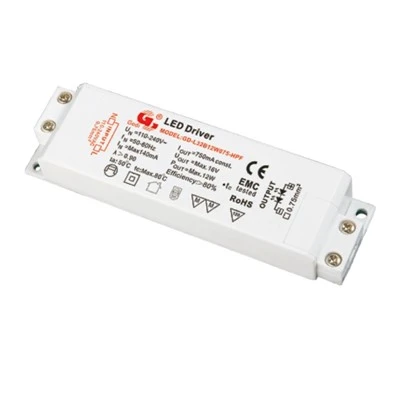
Compatibility issues between constant voltage LED drivers and LEDs are multifaceted and can significantly impact the performance, reliability, and efficiency of LED lighting systems. As a supplier of constant voltage LED drivers, I understand the importance of addressing these issues through proper selection of components, implementation of appropriate technical solutions, and providing comprehensive support to customers.
Bluetooth LED Driver If you are facing any compatibility issues or are in the process of designing a new LED lighting system, I encourage you to reach out for a consultation. Our team of experts can help you select the most suitable constant voltage LED drivers for your specific LED requirements, ensuring a seamless and high – performing lighting solution. By working together, we can overcome the challenges of compatibility and create LED lighting systems that meet the highest standards of quality and efficiency.
References
- Lighting Research Center, Rensselaer Polytechnic Institute. "LED Lighting Basics"
- Illuminating Engineering Society (IES). "IES Lighting Handbook"
- National Electrical Manufacturers Association (NEMA). "NEMA Standards Publications for LED Lighting"
Foshan Gedi Electrnoic Co., Ltd.
As one of the most professional constant voltage LED drivers manufacturers in China, we’re featured by quality products and good price. Please rest assured to buy advanced constant voltage LED drivers for sale here from our factory. If you have any enquiry about cooperation, please feel free to email us.
Address: 4th Floor, Building 8, South District, Huayi Decoration City, No.10, Laixiang Road, Shiwan Sub-district, Chancheng District, Foshan City, Guangdong Province, China.
E-mail: market@gedi-lighting.com
WebSite: https://www.gedi-lighting.com/
