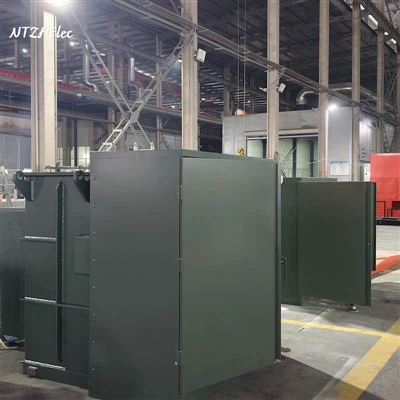
Hey there! I’m a supplier of prefabricated cabin enclosures, and today I’m gonna talk about the ceiling options for these cabins. Prefabricated cabin enclosures are super popular these days because they’re quick to set up, flexible, and cost – effective. And the ceiling is an important part of these cabins, as it not only affects the aesthetics but also the functionality. Prefabricated Cabin Enclosure

1. Plywood Ceilings
Let’s start with plywood ceilings. Plywood is a classic choice for prefabricated cabin enclosures. It’s relatively affordable, easy to work with, and readily available. You can find different grades of plywood, which gives you options based on your budget and requirements.
One of the great things about plywood is its strength. It can handle a fair amount of weight, so if you plan to attach lights, fans, or other fixtures to the ceiling, plywood can usually support them without a problem. Also, plywood has a nice, natural look. You can leave it unfinished for a rustic feel, or you can paint or stain it to match the interior design of your cabin.
However, plywood does have some downsides. It’s not very moisture – resistant. If there’s a leak in your cabin or high humidity, the plywood can warp and rot over time. So, if your cabin is in a damp environment, you’ll need to take extra steps to protect the plywood, like applying a waterproof sealant.
2. Gypsum Board Ceilings
Next up, gypsum board ceilings. Gypsum board, also known as drywall, is another common option for prefabricated cabin enclosures. It’s smooth, flat, and gives the interior of your cabin a clean, modern look.
Installing gypsum board is relatively straightforward. It comes in large sheets, which can be quickly installed on the ceiling framework. Once installed, you can finish it with joint compound and sand it smooth, and then paint it. Gypsum board is also great for sound insulation. It can help reduce noise from outside or between different parts of the cabin.
But there are a few drawbacks to gypsum board. It’s a bit brittle, so it can crack if there’s any movement in the cabin structure. For example, if the ground shifts a little or there’s a strong wind that makes the cabin sway slightly, the gypsum board might crack. Also, similar to plywood, it’s not very water – resistant. Exposure to water can cause it to disintegrate, so it’s not a good choice for areas prone to moisture, like bathrooms or kitchens without proper waterproofing.
3. Metal Ceilings
Metal ceilings are a more durable and modern option for prefabricated cabin enclosures. There are different types of metal that can be used, such as aluminum and steel.
Aluminum ceilings are lightweight, corrosion – resistant, and easy to install. They come in a variety of styles, from flat panels to textured ones. You can get them in different colors, too, so you can match them with the rest of the cabin’s interior. Aluminum is also great for environments where moisture is an issue, like near the coast or in areas with high humidity.
Steel ceilings, on the other hand, are stronger and more rigid. They can handle heavy loads, making them suitable for industrial – style prefabricated cabins or cabins where you need to hang heavy equipment from the ceiling. But steel is more prone to rusting compared to aluminum, so it usually needs to be painted or coated with a rust – resistant finish.
One thing to note about metal ceilings is that they can be a bit noisy. When it rains, for example, the sound of the raindrops hitting the metal can be quite loud inside the cabin. But you can mitigate this by installing insulation between the metal ceiling and the roof.
4. PVC Ceilings
PVC (polyvinyl chloride) ceilings are becoming increasingly popular for prefabricated cabin enclosures. They’re lightweight, affordable, and easy to clean. PVC comes in a wide range of colors and patterns, so you can create a unique look for your cabin.
One of the biggest advantages of PVC ceilings is their water – resistance. They’re ideal for bathrooms, kitchens, and other areas where there’s a high risk of water exposure. You don’t have to worry about them warping or rotting when they get wet.
However, PVC has some limitations. It’s not as strong as some other materials, so you can’t hang very heavy objects from it. Also, in high – temperature environments, PVC can release harmful chemicals, so it’s not a good choice for cabins that get very hot, like those in desert areas without proper ventilation.
5. Fiberglass Ceilings
Fiberglass ceilings are known for their excellent insulation properties. They can help keep your cabin warm in the winter and cool in the summer, which can save you on energy costs. Fiberglass is also lightweight and relatively easy to install.
It comes in different forms, such as panels or tiles. The panels can be cut to fit the size of your ceiling, and they can be attached to the framework using adhesives or mechanical fasteners. Fiberglass is also resistant to mold and mildew, which is a big plus, especially in damp environments.
But fiberglass can be a bit of a hassle to work with. The tiny glass fibers can irritate your skin, eyes, and respiratory system if you’re not careful. So, when installing fiberglass ceilings, you need to wear protective gear like gloves, goggles, and a respirator.
Choosing the Right Ceiling Option
When choosing the ceiling option for your prefabricated cabin enclosure, there are several factors to consider. First, think about the environment where the cabin will be located. If it’s a damp area, you’ll want a water – resistant material like metal or PVC. If it’s in a cold climate, insulation – rich materials like fiberglass or gypsum board with proper insulation backing are better.
Budget is another important factor. Plywood and PVC are generally more affordable options, while metal and custom – made fiberglass panels can be more expensive.
You also need to consider the purpose of the cabin. If it’s a living space, you might want a ceiling that looks good and is comfortable, like gypsum board or plywood with a nice finish. If it’s an industrial or storage cabin, durability and strength might be more important, so metal or thick plywood could be the way to go.
Wrapping Up
In conclusion, there are many ceiling options for prefabricated cabin enclosures, each with its own pros and cons. As a supplier, I’ve seen firsthand how different ceiling materials can transform a cabin. Whether you’re looking for affordability, durability, aesthetics, or functionality, there’s a ceiling option out there for you.
Transformer Oil Tank So, if you’re in the market for a prefabricated cabin enclosure and need help choosing the right ceiling option, don’t hesitate to reach out. We can have a chat about your specific needs, budget, and preferences, and I’ll do my best to find the perfect solution for you. Let’s work together to make your prefabricated cabin the best it can be!
References
- Building Materials Handbook: A comprehensive guide to different types of building materials and their applications.
- Prefabricated Structures Magazine: Articles on the latest trends and technologies in prefabricated cabin enclosures.
- Construction Industry Research Reports: Studies on the performance and durability of various ceiling materials in different environments.
Nantong Zhihe Electric Co., Ltd.
As one of the most professional prefabricated cabin enclosure manufacturers and suppliers in China, we’re featured by quality products and low price. Please rest assured to wholesale cheap prefabricated cabin enclosure made in China here from our factory. Customized orders are welcome.
Address: NO.202 Jianghai West Road, Hai’an Town, Hai’an City, Jiangsu Province
E-mail: colt.ntzh@gmail.com
WebSite: https://www.ntzhelectric.com/
